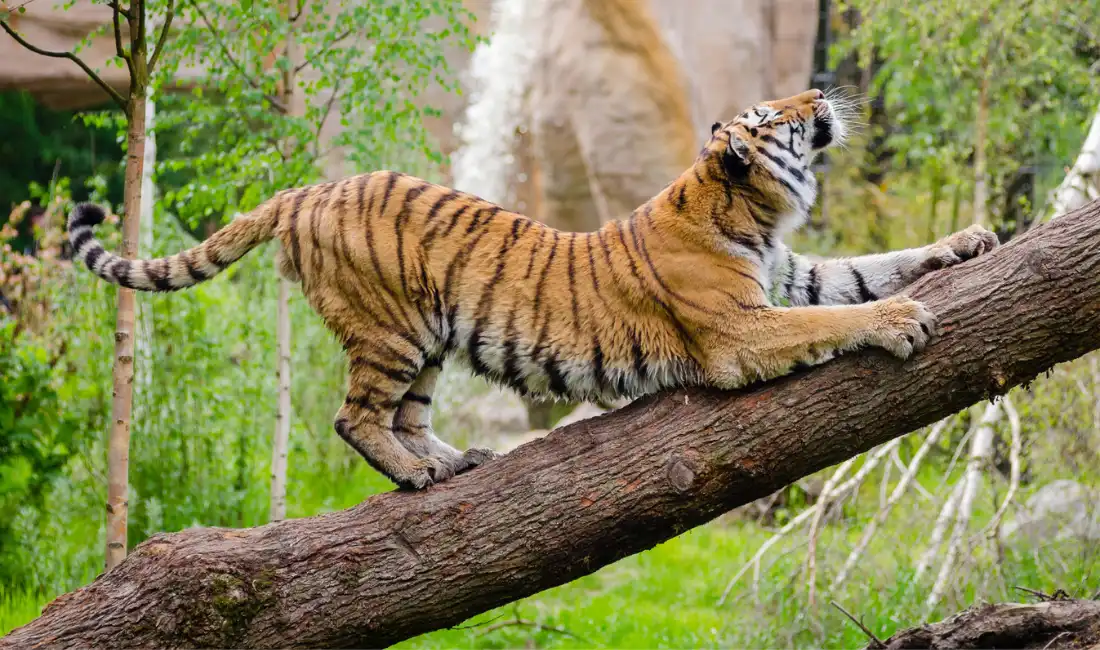

Ranthambore National Park is one of India’s most famous tiger reserves, attracting wildlife lovers from across the world. While many tourists prefer winter due to pleasant weather, experienced safari-goers know that summer is actually the best time for tiger safari in Ranthambore.
If your goal is to increase your chances of spotting a tiger, then planning a Ranthambore summer safari in 2026 can be a smart decision. Let’s understand why.
Higher Chances of Tiger Sightings in Summer
The biggest advantage of visiting the Ranthambore summer safari is increased tiger sightings. During the hot months (April to June), water sources inside the forest become limited. As a result, tigers and other wildlife frequently visit lakes and waterholes.
Because of this predictable movement, safari drivers and guides can track tiger activity more easily. This significantly improves your chances of spotting a tiger compared to winter.
Less Dense Vegetation Means Better Visibility
In summer safari, the forest becomes dry and trees shed their leaves. This leads to less dense vegetation, making it easier to spot animals even from a distance.
Unlike winter, where greenery can block views, Ranthambore summer safari clear sightlines, which is a huge advantage for wildlife photography and sightings.
Ideal Time for Wildlife Photography
If you are a wildlife photographer, Ranthambore summer safari is a golden opportunity. The lighting conditions are better, and animals often gather near water bodies, creating perfect photo moments.
From tigers resting near lakes to deer and birds coming for water, you can capture dramatic wildlife scenes in Ranthambore National Park.
Zones with High Tiger Activity
During summer, certain safari zones in Ranthambore become hotspots for tiger sightings. Zones like Zone 2, Zone 3, Zone 4, and Zone 6 are known for regular tiger movement near water bodies.
Booking the right zone for your Ranthambore safari booking can make a big difference in your experience.
Fewer Crowds Compared to Winter
Another major benefit of Ranthambore summer safari is less crowd pressure. Since many tourists avoid the heat, safari bookings can be slightly easier compared to peak winter months.
This means:
- Better availability of safari booking
- Less rush at entry gates
- A more peaceful jungle experience
Budget-Friendly Travel Deals
Summer is considered an off-season for general tourism, so you can often find better hotel deals and Ranthambore safari packages.
If you are planning a budget wildlife trip, then summer is the right time for affordable Ranthambore safari booking.
Important Tips for Summer Safari in Ranthambore
While summer many advantages, you should be prepared for the heat. Here are some essential tips:
Stay Hydrated
Carry enough water during your Ranthambore summer safari. Temperatures can go above 40°C.
Choose Morning or Evening Safari
Early morning and late afternoon safaris are more comfortable and better wildlife activity.
Wear Light Clothing
Opt for breathable cotton clothes, sunglasses, and hats.
Book in Advance
Even in summer, popular zones fill quickly. Always complete your Ranthambore safari booking online in advance.
Is Summer Really the Best Time to Visit Ranthambore?
If your main goal is tiger sightings, then yes—summer is undoubtedly the best time to visit Ranthambore National Park.
While the heat can be intense, the rewards are worth it:
- Higher tiger visibility
- Better photography opportunities
- Less crowd
- Budget-friendly travel
Conclusion
A Ranthambore summer safari in 2026 is perfect for travelers who want an authentic wildlife experience and higher chances of spotting tigers. With proper planning and preparation, you can turn the heat into an advantage and enjoy one of the best jungle safaris in India.
So, if you are serious about wildlife, don’t avoid summer—embrace it and book your Ranthambore tiger safari booking for an unforgettable adventure.