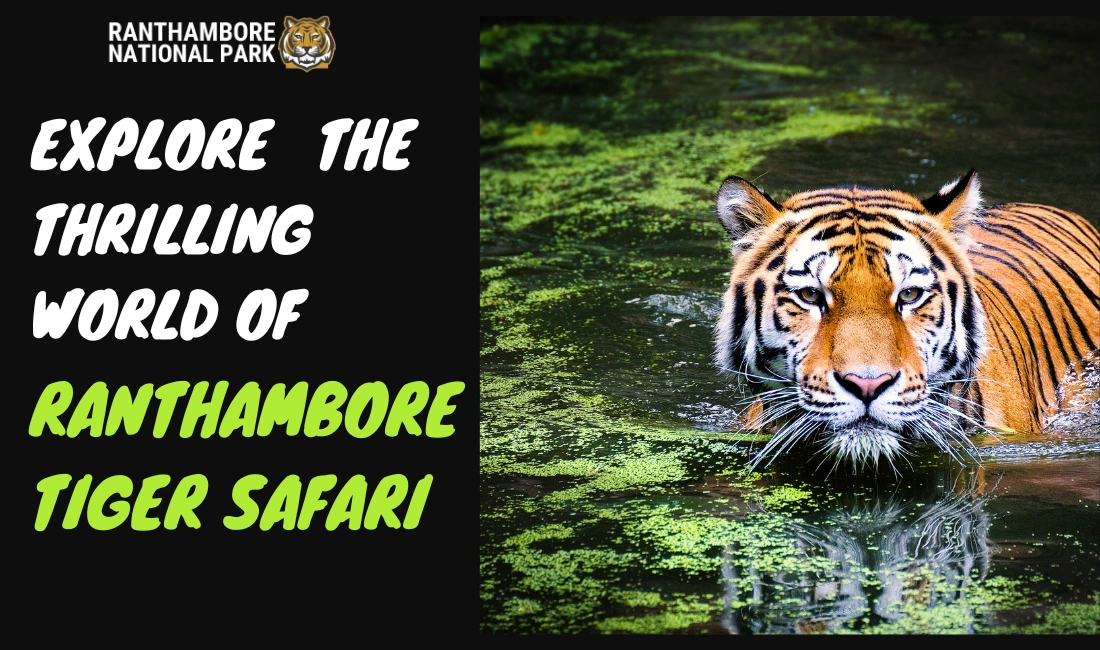

Ranthambore Fort is one of the most unique historical places in India. Located inside Ranthambore National Park in Sawai Madhopur, Rajasthan, this ancient fort stands as a symbol of royal power, bravery, and heritage. What makes it truly special is its location—right in the heart of a famous wildlife reserve. This rare combination makes Ranthambore Fort a destination where royal history meets wild adventure.
Visitors who come to Ranthambore for tiger safaris often discover this magnificent fort and are amazed by its beauty, history, and natural surroundings. From ancient temples and ruined palaces to forests filled with wildlife, Ranthambore Fort offers an unforgettable experience. Many travelers plan their trip through trusted platforms like Ranthambore safari and tour bookings to enjoy a smooth and well-organized journey.
Introduction to Ranthambore Fort
Ranthambore Fort is a UNESCO World Heritage Site and one of the most important forts in Rajasthan. It is built on a high hill and overlooks the entire Ranthambore National Park. The fort offers breathtaking views of lakes, forests, and wildlife, making it a favorite spot for photographers and history lovers.
Many tourists search for “Ranthambore Fort history and wildlife” because this place perfectly blends cultural heritage with natural beauty. Unlike most forts in India, Ranthambore Fort is not surrounded by cities or villages but by dense forests and wild animals.
History of Ranthambore Fort
The history of Ranthambore Fort goes back to the 10th century. It was built by the Chauhan dynasty, one of the most powerful Rajput clans. The fort served as a strategic military base because of its strong location and natural defenses.
Ranthambore Fort became famous during the reign of Raja Hammir Dev Chauhan, who bravely fought against powerful invaders. The fort witnessed many battles with the Delhi Sultanate and later came under Mughal control. Despite facing repeated attacks, the fort stood strong for centuries.
To understand the region’s deeper past, wildlife protection efforts, and conservation success, travelers often explore detailed insights about Ranthambore Tiger Reserve history and conservation stories, which explain how history and nature evolved together.
Architectural Beauty of Ranthambore Fort
The architecture of Ranthambore Fort reflects the strength and style of Rajput rulers. The fort is massive, with thick stone walls, strong gates, and wide pathways.
Architectural Highlights
Massive Fort Walls: Built to protect against enemy attacks
Strong Gates: Designed for defense and control
Stone Structures: Simple yet powerful architecture
Hilltop Location: Offers natural protection and scenic views
Tourists often search for “architecture of Ranthambore Fort” because it shows how forts were designed to survive wars and time.
Famous Attractions Inside Ranthambore Fort
Ranthambore Fort is not just one building but a large complex filled with temples, palaces, and historical structures. Each place inside the fort has its own story.
Ganesh Temple
The Ganesh Temple inside Ranthambore Fort is one of the most popular temples in Rajasthan. Devotees from all over India visit this temple to seek blessings from Lord Ganesha. A unique tradition here is that devotees send letters to Lord Ganesha, believing their wishes will be fulfilled.
Hammir Palace
Hammir Palace once served as the residence of the Chauhan kings. Though now in ruins, it still reflects the royal lifestyle and grandeur of ancient times.
Battis Khamba Chhatri
This beautiful structure is supported by 32 stone pillars and is believed to be a memorial dedicated to a royal figure. It stands as a fine example of simple yet elegant Rajput design.
Badal Mahal (Palace of Clouds)
Badal Mahal is located at the highest point of the fort. From here, visitors enjoy panoramic views of Ranthambore National Park, making it a perfect spot for photography and relaxation.
Ranthambore Fort and Wildlife Experience
One of the most exciting aspects of Ranthambore Fort is its location inside a wildlife reserve
Visitors may spot:
Monkeys and langurs
Deer and antelope
Peacocks and colorful birds
Leopards (rare but possible sightings)
Many travelers look for the “Ranthambore Fort wildlife experience” because it is rare to explore a fort where wildlife moves freely. While tiger sightings are more common during safaris, the fort area offers a peaceful connection with nature.
Ranthambore National Park and the Fort Connection
Ranthambore Fort and the national park have always been closely connected. In ancient times, the surrounding forests provided food, water, and protection to the royal families. Nearby lakes like Padam Talao and Malik Talao served both rulers and wildlife.
Today, tourists often plan a combined itinerary that includes
Ranthambore tiger safari tours
Ranthambore Fort sightseeing
Bird watching and nature walks
For travelers looking to extend their wildlife journey, nearby river safaris such as the Chambal wildlife safari experience offer sightings of gharials, dolphins, and migratory birds.
Best Time to Visit Ranthambore Fort
The best time to visit Ranthambore Fort is from October to March, when the weather is pleasant and ideal for sightseeing.
Seasonal Guide
Winter (Oct–Mar): Best weather for fort visits and safaris
Summer (Apr–Jun): Hot weather but higher chances of tiger sightings
Monsoon (Jul–Sep): Green landscapes but slippery paths
Early morning visits are recommended for cooler temperatures and peaceful surroundings.
How to Reach Ranthambore Fort
By Train: Sawai Madhopur Railway Station
By Road: Buses and taxis from Jaipur, Kota, and nearby towns
By Air: Jaipur International Airport (approx. 160 km away)
Most travelers book complete travel plans through reliable Ranthambore tour and safari booking services to save time and effort.
Importance of Ranthambore Fort as a UNESCO Site
Ranthambore Fort is part of the Hill Forts of Rajasthan, recognized by UNESCO for their cultural and architectural value. This status helps protect the fort and promotes responsible tourism.
People searching for “UNESCO World Heritage Sites in Rajasthan” often include Ranthambore Fort on their travel list.
Why Ranthambore Fort Is a Must-Visit Destination
Ranthambore Fort offers something for everyone:
For History Lovers
Rajput heritage and royal stories
Ancient battles and monuments
Rich cultural legacy
For Nature Lovers
Forest landscapes
Wildlife sightings
Calm and peaceful environment
For Adventure Seekers
Hilltop exploration
Forest surroundings
Safari and fort combination
This makes it one of the top things to do in Ranthambore National Park.
Conclusion
Ranthambore Fort is more than just an old monument. It is a place where royal history, cultural heritage, and wild adventure come together. Surrounded by forests and wildlife, the fort tells stories of bravery, faith, and harmony with nature.
Whether you are a history lover, wildlife enthusiast, photographer, or spiritual traveler, Ranthambore Fort promises a truly unforgettable experience.