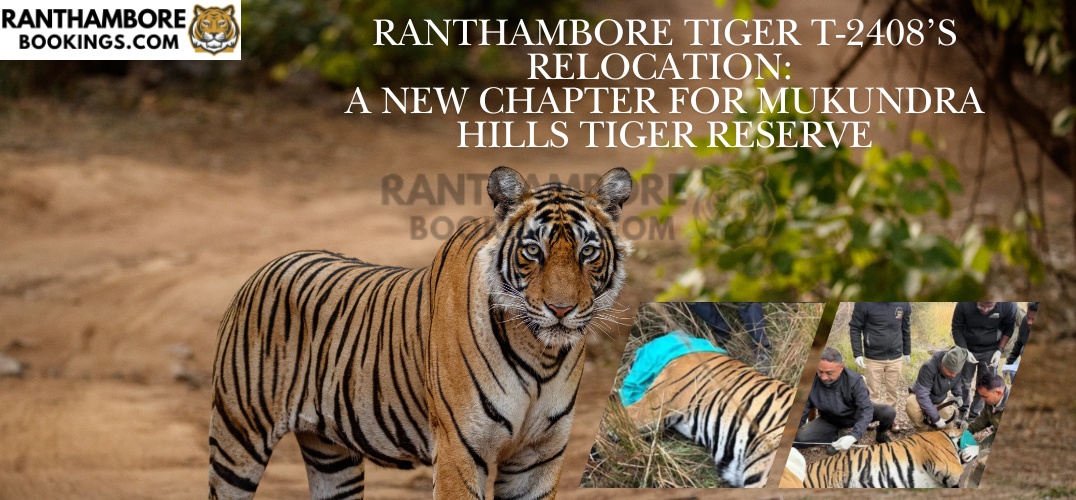
The move of Tiger T-2408 from Ranthambore Tiger Reserve to Mukundra Hills Tiger Reserve (MHTR) is an important step for tiger conservation in Rajasthan. This relocation was carefully planned to reduce pressure on Ranthambore, where tiger numbers are very high, and to help build a strong tiger population in Mukundra.
As news about Mukundra Hills Tiger Reserve spreads across the country, the arrival of T-2408 has brought new hope for the future of this reserve.
Tiger T-2408: Move and Current Situation
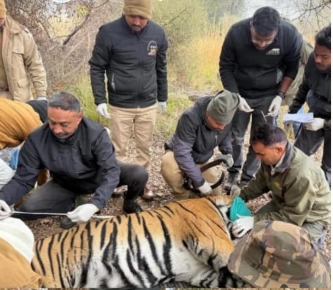
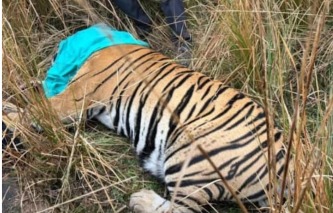
On January 9, 2026, the adult male tiger T-2408, also known as “Big Boy” among wildlife lovers, was safely tranquilised and moved following all National Tiger Conservation Authority (NTCA) rules. The entire process was done carefully to ensure the tiger’s safety and health.
At present, T-2408 is kept in a soft-release enclosure inside Mukundra Hills Tiger Reserve, Kota. This special enclosure helps the tiger slowly get used to the new environment before being released into the forest. Forest officials are monitoring him closely using tracking equipment, and his condition is stable and positive.
Why Was Tiger T-2408 Moved from Ranthambore?
Ranthambore has a large number of tigers living in a limited area. Because of this, tigers often fight for territory, and some are forced to move outside the reserve, creating conflict.
Mukundra, on the other hand, is a newer tiger reserve with good forest cover but fewer tigers. Moving T-2408 to Mukundra helps in many ways:
- Balances the number of male and female tigers
- Increases the tiger population in Mukundra
- Improves genetic diversity
- Supports the natural return of tigers to the area
- Reduces pressure on Ranthambore
This kind of planned wildlife relocation is an important part of modern conservation.
Read Also : Thrilling Moment: Tiger Cub Wanders Into Ranthambore Fort Parking Area, Tourists Capture Video
Growing Tiger Population in Mukundra Hills
With the arrival of T-2408, Mukundra Hills Tiger Reserve now has six tigers, including two males, three females, and one cub.
Although the number is still small, it is very important for building a healthy and breeding tiger population. Earlier efforts to reintroduce tigers in Mukundra faced problems, but lessons from the past have helped improve planning and monitoring this time.
Breeding and the Future of Mukundra Hills Tiger Reserve
A strong adult male like T-2408 greatly improves the chances of successful breeding in Mukundra. If tigers begin to breed naturally, Mukundra can become a self-sustaining tiger reserve.
The goal is not just to increase numbers quickly but to create a stable and long-lasting tiger population that does not depend on frequent relocations.
Eco-Tourism and Local Benefits
A healthy tiger population can also benefit local people. As tiger sightings increase, wildlife tourism in the Kota region is expected to grow. This can lead to:
- More jobs for local communities
- Growth of eco-friendly tourism
- New sources of income
- Greater public support for conservation
If managed properly, ecotourism can help protect forests while supporting local livelihoods.
Connected Conservation with Ramgarh Vishdhari
Mukundra is being developed as part of a larger conservation area that includes Ramgarh Vishdhari Tiger Reserve. Wildlife corridors between these areas allow tigers to move naturally, which helps maintain healthy genes and reduces conflict with people.
This connected approach is now considered one of the best ways to protect tigers in the long term.
Challenges Still Remain
Even with positive progress, Mukundra Hills Tiger Reserve faces some challenges:
- Its long and narrow shape increases the risk of human-tiger conflict.
- Low prey availability due to the presence of feral cattle
- Continued need for habitat improvement
Forest departments are actively working on these issues through better protection, prey management, and monitoring.
A Positive Step for Tiger Conservation
The latest update on Tiger T-2408 is more than just a transfer—it is a major step toward building a strong tiger habitat outside Ranthambore. If this effort succeeds, Mukundra could become a new success story in India’s tiger conservation journey.
As Ranthambore struggles with overcrowding, Mukundra Hills Tiger Reserve now has a real chance to grow—guided by careful planning, scientific methods, and the inspiring journey of Tiger T-2408.