
Discover the Wild Side of Ranthambore
Explore the golden trails, hidden lakes, and wild wonders of India's iconic tiger land.
About Ranthambore
Ranthambore National Park, located in Sawai Madhopur district of Rajasthan, is one of India's most famous tiger reserves and a top destination for wildlife lovers. Once the hunting ground of the Maharajas of Jaipur, the forest was declared a Project Tiger reserve in 1973 and became a national park in 1980. Today, the wider Ranthambore Tiger Reserve spreads across more than 1,334 square kilometres, where the Aravalli and Vindhya hill ranges meet.
What makes Ranthambore truly special is its landscape. Dry deciduous forests, rocky ridges, open grasslands, and calm lakes such as Padam Talao, Raj Bagh, and Malik Talao create the perfect setting for a tiger safari. The 10th-century Ranthambore Fort, a UNESCO World Heritage Site, rises above the jungle and adds a layer of history rarely found in other national parks.
The park is best known for its Bengal tigers, which are often spotted in daylight, making Ranthambore one of the best places in India for tiger sightings. Besides tigers, visitors can see leopards, sloth bears, marsh crocodiles, striped hyenas, sambar deer, nilgai, and over 300 species of birds.
Jungle safaris are conducted in open canters and gypsies, with morning and afternoon slots across several core and buffer zones. The park remains closed during the monsoon season, and the best time to visit Ranthambore is between October and June, with April to June offering excellent chances of tiger sightings as animals gather near waterholes.
Easily reachable from Jaipur (about 169 km) and from Delhi by train to Sawai Madhopur railway station, Ranthambore is ideal for family holidays, photography tours, and nature lovers seeking an unforgettable wildlife experience in Rajasthan.

Top Things to Do in Ranthambore
Go on a Tiger Safari
The jungle safari is the heart of every Ranthambore trip. Open gypsies and canters carry visitors through the park's core zones, where Bengal tigers are often seen in daylight near lakes and waterholes. Morning and afternoon slots are available, and advance booking is recommended, especially during peak season from October to June.
Chambal River Boat Safari
For a calm change from the jungle, take a boat safari on the Chambal River. This protected stretch is home to gharials, marsh crocodiles, and Ganges river dolphins, along with many migratory birds. Gliding quietly past rugged ravines and sandy banks, it is a peaceful experience, ideal for families and photographers seeking something different.
Spot Birds and Wildlife
Ranthambore is far more than a tiger destination. The park shelters leopards, sloth bears, marsh crocodiles, striped hyenas, and sambar deer, along with over 300 bird species. Birdwatchers can spot painted storks, kingfishers, and owls near lakes and forest trails, making every safari rewarding and memorable for nature lovers of all ages.
Photography Tours
Ranthambore is a dream destination for wildlife photographers. Golden-hour light filtering through the forest, rocky ridges, ancient ruins, and tigers resting beside lakes create stunning frames. Dedicated photography tours offer expert guidance, suitable timings, and the patience needed to capture powerful, memorable images of the wild that you will treasure for years.
Shop Local Handicrafts
Take a piece of Rajasthan home by visiting local craft centres and markets in Sawai Madhopur. You will find handmade textiles, colourful block prints, bangles, and traditional Rajasthani souvenirs. Shopping here supports local artisans and makes a wonderful way to spend a relaxed afternoon after your morning safari or fort visit.
Enjoy Rajasthani Cuisine and Resort Stays
After a day in the wild, relax at a jungle resort surrounded by nature. Enjoy authentic Rajasthani dishes such as dal baati churma, laal maas, gatte ki sabzi, and ker sangri, prepared with traditional spices. Many resorts also offer campfire evenings, folk music, and comfortable stays that complete your Ranthambore holiday.
Popular Attractions in Ranthambore National Park


Malik Talao
Malik Talao is a peaceful lake tucked inside the forest, known for its quiet, natural charm. Marsh crocodiles bask along its banks, while kingfishers, storks, herons, and other water birds gather in large numbers. It is a rewarding stop for birdwatchers and anyone who enjoys calm, scenic moments during a safari.
Jogi Mahal
Jogi Mahal is a historic lodge built near Padam Talao, once used by royal hunting parties. It is best known for the second-largest banyan tree in India, with sprawling branches that create a natural canopy. The spot offers lovely lake views and is a favourite photo stop for visitors.
Kachida Valley
Kachida Valley is a rocky, hilly area with caves, dry forest, and rugged terrain. It is well known for leopard and sloth bear sightings, making it special for wildlife enthusiasts who want something beyond tigers. Its raw, untouched landscape offers a thrilling and adventurous safari experience through the quieter side of Ranthambore.
Surwal Lake
Surwal Lake is a calm, scenic lake located outside the core area of the park. In winter, it becomes a haven for migratory birds, including pelicans, flamingos, and ducks. With peaceful surroundings and open views, it is ideal for birdwatching, photography, and relaxed nature walks away from the busy safari routes.
Trinetra Ganesh Temple
Located inside Ranthambore Fort, this revered temple is dedicated to Lord Ganesh and is one of India's most unique shrines. Devotees from across the country send wedding invitations here, seeking blessings for new beginnings. The temple's peaceful atmosphere, traditional rituals, and fort setting make it a must-visit spiritual stop.
Rajiv Gandhi Regional Museum of Natural History
Located in Sawai Madhopur, this museum introduces visitors to the region's wildlife, ecology, and conservation efforts through displays, models, and exhibits. It is a useful and educational stop for families and students, offering a better understanding of Ranthambore's biodiversity before or after a jungle safari.
Types of Safari in Ranthambore
Gypsy Safari
Gypsy Safari is the most popular choice for tracking tigers inside Ranthambore National Park. This open-top, six-seater 4x4 vehicle can easily maneuver along narrow, rugged jungle trails across all major zones. Wildlife photographers highly prefer a Gypsy safari because its smaller size ensures a quieter ride, intimate wildlife viewing, and highly flexible angles for capturing stunning photographs.

Canter Safari
Canter Safari offers a fantastic alternative for larger travel groups and budget-conscious families exploring the reserve. This large, open-roofed commercial vehicle comfortably accommodates up to 20 passengers per trip. A Canter safari regularly covers the main transit tracks and expansive lake belts, making it an excellent, cost-effective option for socializing while enjoying panoramic forest views.
Chambal Boat Safari
Chambal Boat Safari introduces an entirely different aquatic experience away from the dusty jungle trails. Located just a short drive from the main national park, this peaceful boat ride takes place on the calm waters of the nearby Chambal River. It provides exceptional opportunities to spot critically endangered fish-eating gharials, large marsh crocodiles, and rare resident waterbirds.
Best Time to Visit Ranthambore
Winter Season
Brings a pleasant winter climate with temperatures ranging from 5°C to 25°C, making it the peak safari season. The cool, clear days are highly comfortable for tourists, though early mornings can be quite cold. All core zones are fully open, and beautiful migratory birds arrive at the lakes in massive numbers.
Summer Season
Marks the hot summer months, widely recognized as the prime tiger tracking season as temperatures soar up to 47°C. As the forest foliage completely dries out, natural visibility increases dramatically across the reserve. Major waterholes like Padam Talao become vital water sources, drawing tigers and leopards out regularly.
Monsoon Season
Introduces the heavy monsoon season, during which the core safari zones of the national park remain completely closed for conservation. The rainy weather allows the forest to recover and wildlife to breed undisturbed. However, the scenic buffer zones stay open for gypsy safaris, showcasing lush green landscapes.
Pricing Table
| Safari Vehicle | Price (Indian) | Price (Foreigner) |
|---|---|---|
| Gypsy (6 Seater) | ₹2400 per person | ₹5000 per person |
| Canter (20 Seater) | ₹1800 per person | ₹4500 per person |
This cost includes the safari permit fee, vehicle fee, guide fee, and our service charge. It does not include the 3% payment gateway charge.
Note: Children below 5 years are complimentary. Zones 1/2/3/4/5 are closed on every Wednesday and Zones 6/7/8/9/10 are closed on every Tuesday.
Choose Your Perfect Package
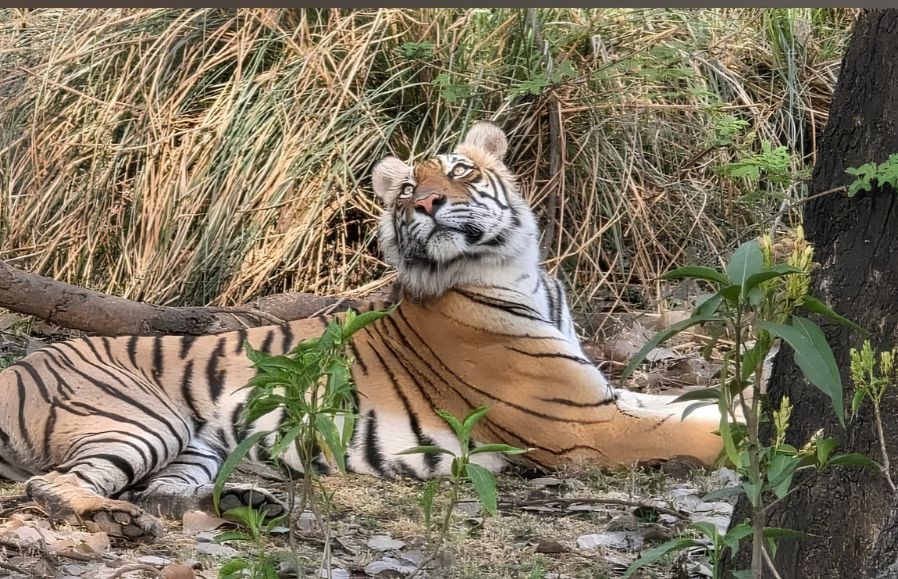 ₹4,500 per person
Ranthambore Weekend Tour
- 1 Jeep Safari
- Meals Included (Breakfast Only)
- Accommodation in Standard Room
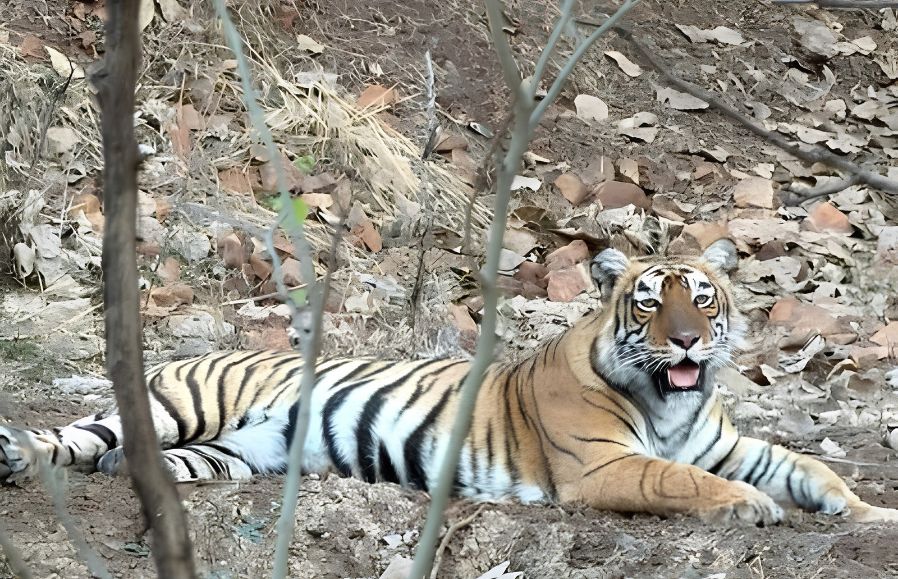 ₹10,500 per person
Ranthambore Wildlife Tour
- 1 Jeep Safari Ride
- 1 Chambal Boat Ride
- Meals Included
- Accommodation in Deluxe Room
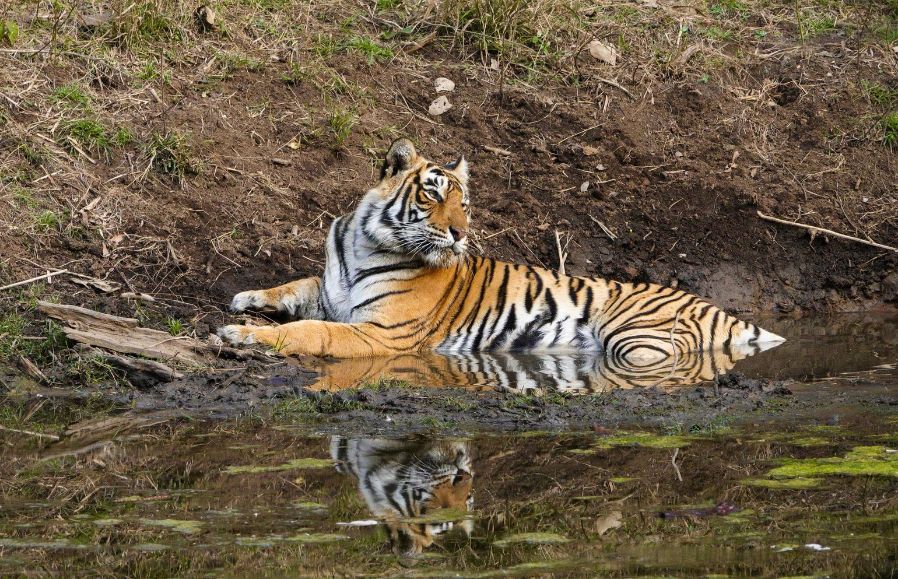 ₹8,000 per person
Ranthambore Holiday Group Tour
- 1 Canter Safari Ride
- 1 Chambal Boat Ride
- Meals Included
- Accommodation in Deluxe Room
- Local Sightseeing
History of Ranthambore National Park
Origins of Ranthambore Fort
According to local tradition, Ranthambore Fort was founded in the 10th century, with its construction traditionally linked to the Chauhan rulers. Built on a rocky hilltop at the meeting point of the Aravalli and Vindhya ranges, the fort became a natural stronghold. Its location, surrounded by dense forest, shaped the early identity of the Ranthambore region.
Rise of the Chauhan Dynasty
The fort came under the control of the Chauhan Rajputs of Ajmer and Delhi. Under their rule, Ranthambore grew into one of the most powerful and well-defended forts in Rajasthan. The surrounding forests protected the fort from invaders and also served as a rich source of timber and game.
After the Fall of Prithviraj Chauhan
After Prithviraj Chauhan's defeat in the Second Battle of Tarain, his son Govindaraja is said to have taken refuge in Ranthambore. The fort then became the seat of a Chauhan branch that ruled the region for the next century, strengthening its political and military importance.
The Reign of Hammir Dev Chauhan
Hammir Dev Chauhan, the most celebrated ruler of Ranthambore, ruled during this period. Known for his courage and loyalty, he sheltered rebels who had fled the Delhi Sultanate, which brought him into conflict with Alauddin Khilji. His story is still remembered in Rajasthani folklore and Rajput history.
Siege and Fall of the Fort
After a long siege, Alauddin Khilji's army captured Ranthambore Fort in 1301. Hammir Dev died defending it, and the women of the fort are said to have performed jauhar. The fall marked the end of Chauhan rule and a turning point in the fort's history.
Under Delhi Sultanate and Regional Rulers
Over the following centuries, the fort changed hands among the Delhi Sultanate, the Sultans of Malwa, and Rajput rulers of Mewar. Despite shifting control, the surrounding forest remained largely undisturbed, preserving habitat for tigers and other wildlife.
Mughal Rule Begins
Emperor Akbar's forces took the fort around 1569 after a siege, bringing Ranthambore under Mughal control. The Mughals valued the fort for its strategic position, and the forest around it continued to serve as a royal hunting ground.
Control of the Jaipur State
In the 1700s, the fort and its forests came under the Kachwaha rulers of Jaipur, the Maharajas of Jaipur. They maintained the area as a private hunting reserve, where hunting parties for royalty and distinguished guests became common. This period shaped the park's reputation as a famous tiger hunting ground.
Royal Hunting and Wildlife Decline
Trophy hunting by the Maharajas of Jaipur and British officials continued well into the 20th century, causing tiger numbers across India to fall sharply. Although early wildlife protection laws appeared in a few parts of India during the 1930s, royal hunting in Ranthambore remained legal and post-independence habitat loss and poaching further threatened its wildlife.
Sawai Madhopur Game Sanctuary
After India's independence, the area was declared the Sawai Madhopur Game Sanctuary by the Government of India. This step marked a major shift from hunting ground to protected wildlife area, laying the foundation of modern conservation in the region. Hunting was officially banned in the sanctuary, giving wildlife much-needed protection. Forest officials began managing the area to restore habitats and prevent poaching, which slowly helped wildlife populations recover.
Project Tiger Reserve
Ranthambore was chosen as one of the first nine tiger reserves under Project Tiger, launched by the Government of India to save the Bengal tiger from extinction. Strict protection, relocation of villages, and habitat management began to bring noticeable results.
National Park Status
Ranthambore was declared a national park on 1 November 1980, giving it a higher level of legal protection. Nearby forests were later added as Sawai Man Singh Sanctuary and Kailadevi Sanctuary, expanding the protected landscape.
Expansion of the Tiger Reserve
The Sawai Man Singh Sanctuary and Keladevi Sanctuary were added to the Ranthambore Tiger Reserve, enlarging the protected landscape and improving wildlife corridors for tigers and other species.
Ranthambore Fort Gets World Heritage Status
Ranthambore Fort was inscribed as a UNESCO World Heritage Site in 2013 as part of the "Hill Forts of Rajasthan", along with five other forts. The recognition increased global attention on the park's cultural and natural heritage.
Conservation Success and Tourism
Today, Ranthambore is one of India's best places for tiger sightings, with a growing tiger population and well-managed safari zones. Wildlife tourism supports local communities, while conservation efforts continue to protect the Aravalli and Vindhya ecosystem for future generations.
Famous Tigers of Ranthambore
Machli (T-16)
Machli, the legendary "Queen of the Lake," was born around 1997 and ruled the Padam Talao and Raj Bagh area. She became world famous after a fight with a large marsh crocodile and raised several litters that helped populate the park. She died in August 2016 at about 20 years old, and remains Ranthambore's most celebrated tigress.
Ustad (T-24)
Ustad, also called Sultan, was a powerful male tiger who dominated the Zone 2 and 3 region and was among the park's most photographed big cats. In 2015, he was relocated to Sajjangarh Biological Park in Udaipur after being linked to the death of a forest guard. The move triggered a nationwide debate on tiger management.
Sundari (T-17)
Sundari, also known as Satara, is a daughter of the famous Machli. Born in the early 2000s, she was admired for her striking looks and confident nature. She raised cubs in Ranthambore's lake areas and carried forward her mother's strong lineage, making her a favourite of safari visitors and wildlife photographers who followed her sightings closely.
Noor / Mala (T-39)
Noor, also known as Mala, is a well-known tigress of Ranthambore, admired for her calm temperament and strong maternal instincts. She has been regularly spotted with her cubs in the park's scenic zones, giving visitors memorable sightings. Her cubs have grown up to hold their own territories, which has helped keep the tiger population healthy.
Krishna (T-19)
Krishna is a daughter of Machli and one of Ranthambore's most important breeding tigresses. She inherited part of her mother's lake territory and became a regular highlight of safaris around Padam Talao. Krishna is the mother of the famous Arrowhead (T-84), so she carries forward one of the most celebrated tiger lineages in India.
Zalim (T-25 / Dollar)
Zalim, also known as T-25 or Dollar, is a strong, dominant male tiger of Ranthambore. Known for his powerful build and bold behaviour, he held a large territory and mated with several tigresses in the park. His name means "cruel" in Hindi, and his imposing presence made him a thrilling sighting for visitors and photographers.
Star Male (T-28)
Star Male (T-28) is a well-known male tiger, named after a star-shaped mark on his face. He was one of Ranthambore's dominant males, ruling a large territory and fathering cubs that strengthened the park's population. His striking markings and confident, roaming nature made him easily recognisable and a popular sighting among regular safari visitors.
Arrowhead (T-84)
Arrowhead is a famous tigress named for the arrowhead-shaped marking on her forehead. A daughter of Krishna and granddaughter of Machli, she inherited the lake territory and became a major attraction for visitors. She has raised several litters, including Riddhi and Siddhi, and is seen as the true heir of Machli's legacy.
Riddhi (T-124)
Riddhi is a daughter of Arrowhead and sister of Siddhi, and belongs to Machli's famous family line. Admired for her strong build and fearless nature, she became a popular sighting in the park's lake zones. She has raised cubs of her own, helping carry Ranthambore's tiger legacy into the next generation.
Siddhi (T-125)
Siddhi is the sister of Riddhi and a daughter of Arrowhead, making her part of Machli's well-known family tree. She is known for her confident nature and regular sightings in the park's zones. Siddhi has raised cubs of her own, helping the tiger population thrive and keeping the family's legacy alive at Ranthambore.
Flora and Fauna of Ranthambore
Ranthambore National Park is home to remarkable biodiversity, from dry deciduous forests and rocky ridges to open grasslands and quiet lakes. When you explore the complete flora and fauna of Ranthambore, you'll discover tigers, leopards, sloth bears, marsh crocodiles and over 300 bird species, a rich ecosystem that makes every safari here truly unforgettable.
Flora of Ranthambore National Park
Ranthambore is covered in tropical dry deciduous forest, and the dhok tree (Anogeissus pendula) is the most dominant species in the whole reserve. The landscape stays richly layered with banyan, pipal, mango, jamun, babul, khajur, tendu and the striking flame-coloured palash (dhak), which blooms bright orange in spring. Open grasslands, rocky plateaus and lakes covered with lotus add variety to the terrain. Ancient banyan trees near Jogi Mahal are among the biggest in India, and the thick vegetation gives tigers and other animals perfect cover to hunt, rest and raise their young.
Fauna of Ranthambore National Park
Ranthambore is home to the iconic Royal Bengal tiger, and the reserve is known for frequent daylight sightings, so every jungle safari here feels genuinely thrilling, not just pretty. You can also spot the Indian leopard, sloth bear, striped hyena, jackal, desert fox and jungle cat. Herbivores such as sambar deer, chital, nilgai and wild boar roam the grasslands, while marsh crocodiles bask along the lakes. Over 300 bird species, including painted storks, kingfishers, owls and crested serpent eagles, make the park a paradise for birdwatchers.
How to Reach Ranthambore National Park
By Air
The nearest airport is Jaipur International Airport (JAI), about 169 km from Ranthambore. It has regular flights from Delhi, Mumbai, Bengaluru, and other major cities. From the airport, you can hire a taxi to Sawai Madhopur, which takes around 3.5 to 4 hours by road. Pre-booked private transfers are the most comfortable choice for families and groups.
By Train
Sawai Madhopur Junction (SWM) is the nearest railway station, around 12 km from the park gate. It lies on the Delhi to Mumbai main line and is well connected to Delhi, Jaipur, Mumbai, Kota, and Agra. Taxis, autos, and resort pickups are easily available outside the station, making the last stretch simple.
By Road
Ranthambore is well connected by road to Jaipur, Kota, Bundi, Agra, and Delhi. From Jaipur, the drive takes around 3 to 3.5 hours, and from Delhi it takes roughly 8 to 9 hours. State-run and private buses run regularly to Sawai Madhopur, while self-drive and hired cabs offer the most flexibility for families and groups.
Why is Ranthambore National Park Famous For?
Ranthambore National Park, in Sawai Madhopur district of Rajasthan, is famous around the world as one of the best places in India to see wild Bengal tigers in their natural habitat. Here is what makes this tiger reserve so special:
Frequent Tiger Sightings
Ranthambore is best known for tigers that are often seen in daylight, sometimes resting near lakes, walking along old ruins, or crossing open forest tracks. Unlike many other reserves where tigers stay hidden in dense jungle, the open dry deciduous landscape here makes sightings more likely. This makes every tiger safari exciting and gives photographers a rare chance to capture the big cats up close, whether in a gypsy or a canter.
Legendary Tigers
The park is famous for celebrated tigers like Machli (T-16), the "Queen of the Lake," who became world famous after a fight with a large marsh crocodile. She ruled the Padam Talao area for years and raised many cubs that helped grow the park's tiger population. Her family line, including Krishna and Arrowhead, still attracts visitors, filmmakers, and wildlife lovers from across the world.
Ranthambore Fort
A 10th-century hilltop fort rises above the jungle, and it is part of the UNESCO World Heritage listing of the Hill Forts of Rajasthan. Inside its walls, you will find old gates, ruined palaces, stepwells, and the famous Trinetra Ganesh Temple. Few national parks in the world combine wildlife and history so closely, which gives visitors both a thrilling safari and a journey into Rajput heritage in a single trip.
Scenic Lakes and Landscapes
Padam Talao, Raj Bagh Talao, and Malik Talao, along with rocky ridges, open grasslands, and dry deciduous forest, create a dramatic backdrop that looks stunning in every season. These lakes are lined with old stone ruins and chhatris, and animals gather near the water, especially in the hot summer months. This is why the park is so popular for lakeside tiger sightings and for beautiful landscape photography.
Rich Biodiversity
Besides tigers, visitors can spot leopards, sloth bears, marsh crocodiles, striped hyenas, jackals, sambar deer, chital, nilgai, and wild boar. The park is also home to over 300 bird species, including painted storks, kingfishers, owls, and crested serpent eagles. This wide variety of wildlife makes every safari rewarding, even on days when the tiger decides to stay hidden.
Royal Heritage and Conservation
Once a hunting ground of the Maharajas of Jaipur, the forest was later protected as the Sawai Madhopur Game Sanctuary and then became part of Project Tiger in 1973. Strict protection and habitat management helped tiger numbers recover, turning Ranthambore into one of India's best-known conservation success stories and a model for other tiger reserves.
Wildlife Photography Destination
Golden morning light, misty lakeside views, ancient ruins, and frequent tiger sightings make Ranthambore a top choice for photographers from India and abroad. The mix of open landscapes and historic backdrops allows for unique frames that are hard to find elsewhere. Many photographers return again and again, hoping to capture a new moment with the tigers of Ranthambore.